
Media & Entertainment/Web Development
Leading Film Equipment Producer
Media portal with cinema listings, news, and interactive content
View projectCompanies usually explore computer vision solutions when important information is already available in images or video, but extracting it still depends on manual review or existing automation cannot deliver the required accuracy, speed, or consistency.
Employees may spend hours reviewing product images, production footage, documents, or camera feeds to identify defects, objects, events, or other visual conditions. As image volume grows, manual review becomes slower, more expensive, and harder to standardize.
A model or third-party API may work well on clean test images but lose accuracy when lighting, camera angle, image quality, object size, or background conditions change. Without evaluation on representative production data, it is difficult to know whether the system can support a real business workflow.
Organizations may already store thousands or millions of images, recordings, scans, or camera frames, but the data is inconsistent, unlabeled, duplicated, or distributed across several systems. Before computer vision development can begin, the data needs to be assessed and prepared for training and validation.
Some use cases require a result in real time or within a strict operational window. A model that performs well in offline testing may be too slow for production cameras, mobile devices, embedded hardware, or high-volume processing unless architecture and inference are designed for those constraints.
Our computer vision services cover the complete engineering path from use-case validation and data preparation to model development, integration, deployment, and ongoing improvement.
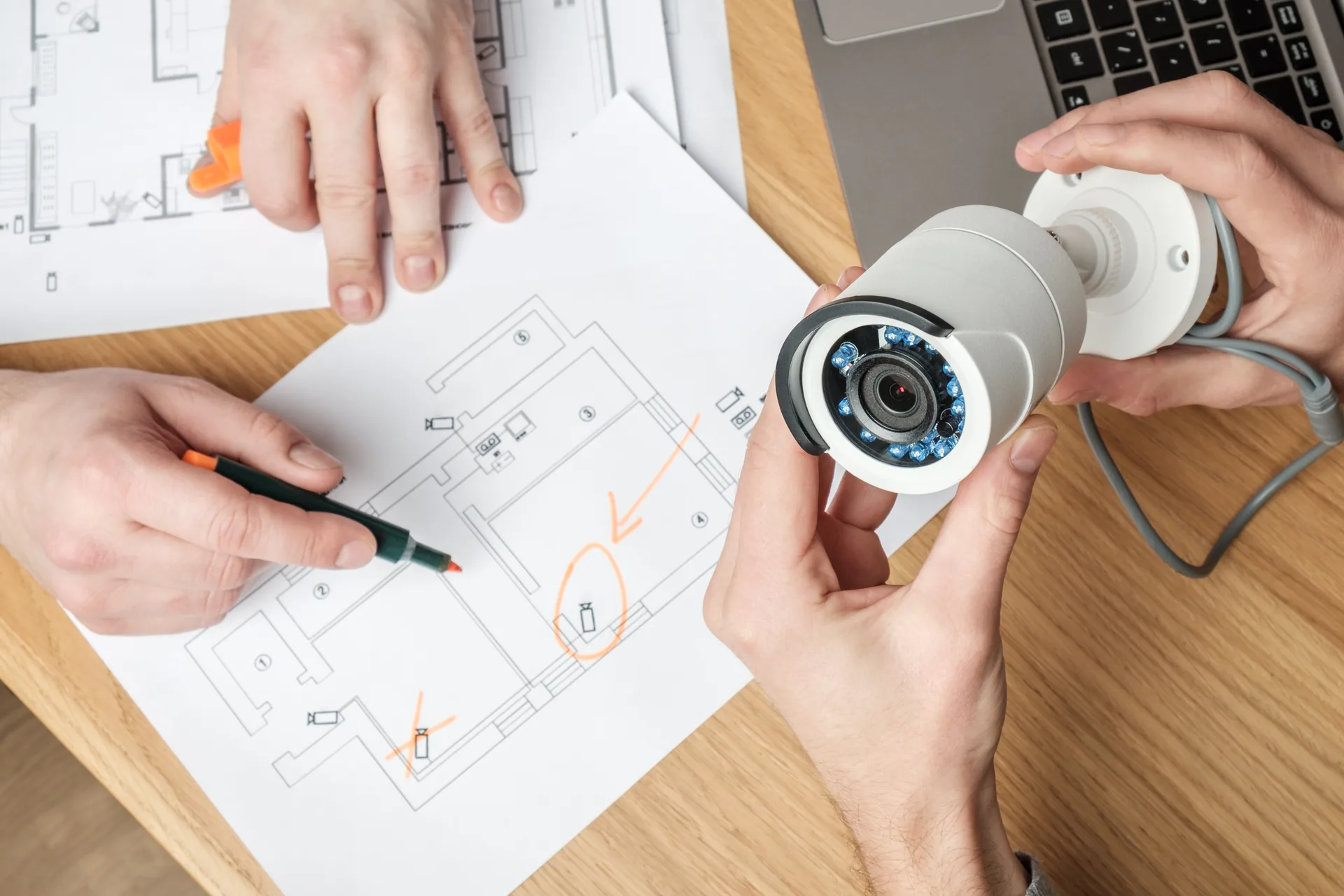
Solbeg evaluates the business use case, available visual data, expected accuracy, latency requirements, deployment environment, and integration constraints before implementation begins. Computer vision consulting helps determine whether custom development, an existing model, or a third-party vision API is the most practical approach.
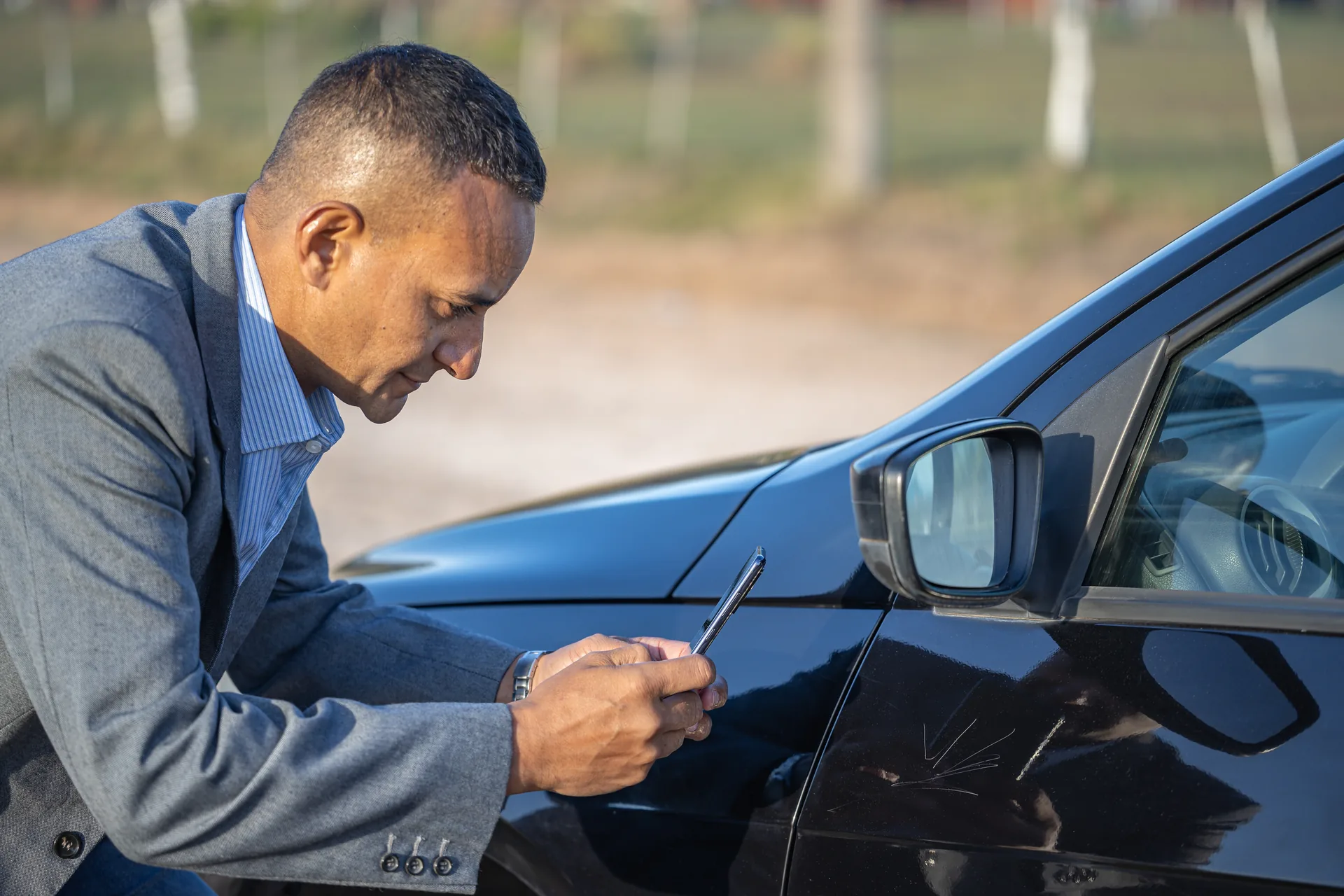
Image recognition software development can include classification, object detection, localization, segmentation, visual similarity, and other techniques used to identify objects, conditions, or patterns within images.
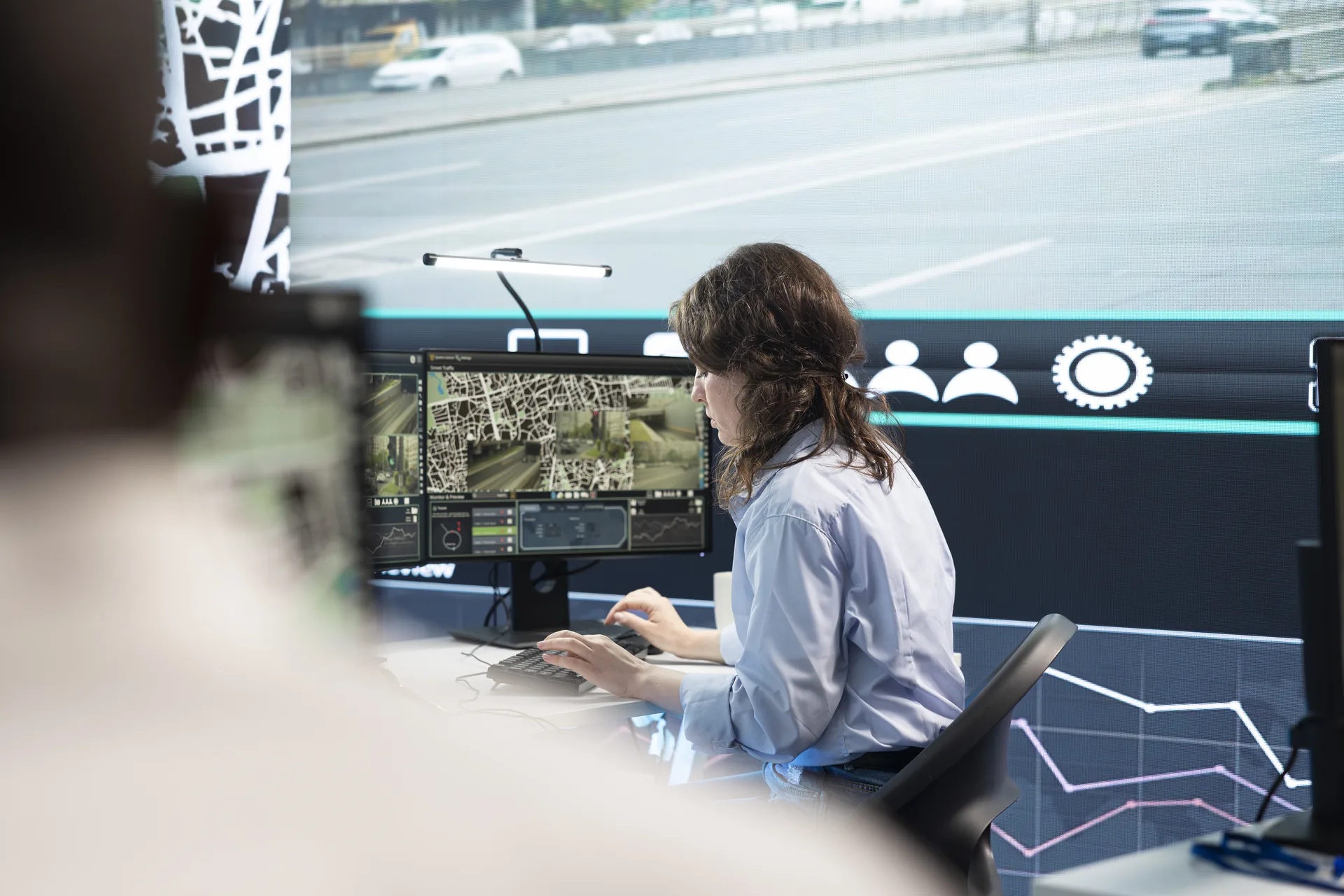
Models can process recorded or live video to detect objects, track movement, recognize events, count items, or monitor defined visual conditions. Architecture is designed around expected frame rate, camera count, latency, and infrastructure constraints.
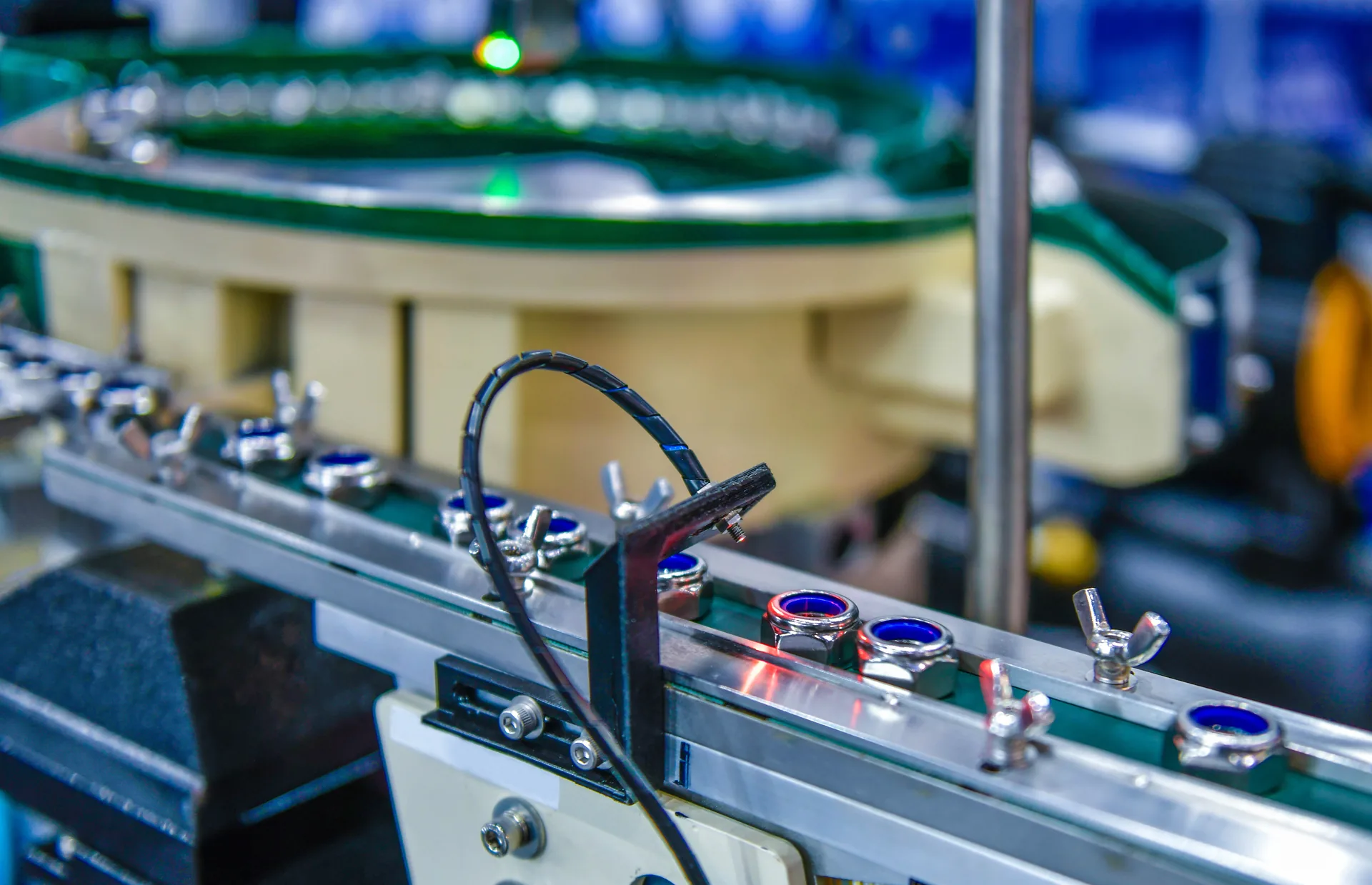
Our machine vision consulting services can support visual inspection, defect detection, measurement, classification, and other production or operational workflows where cameras and software need to work together reliably.
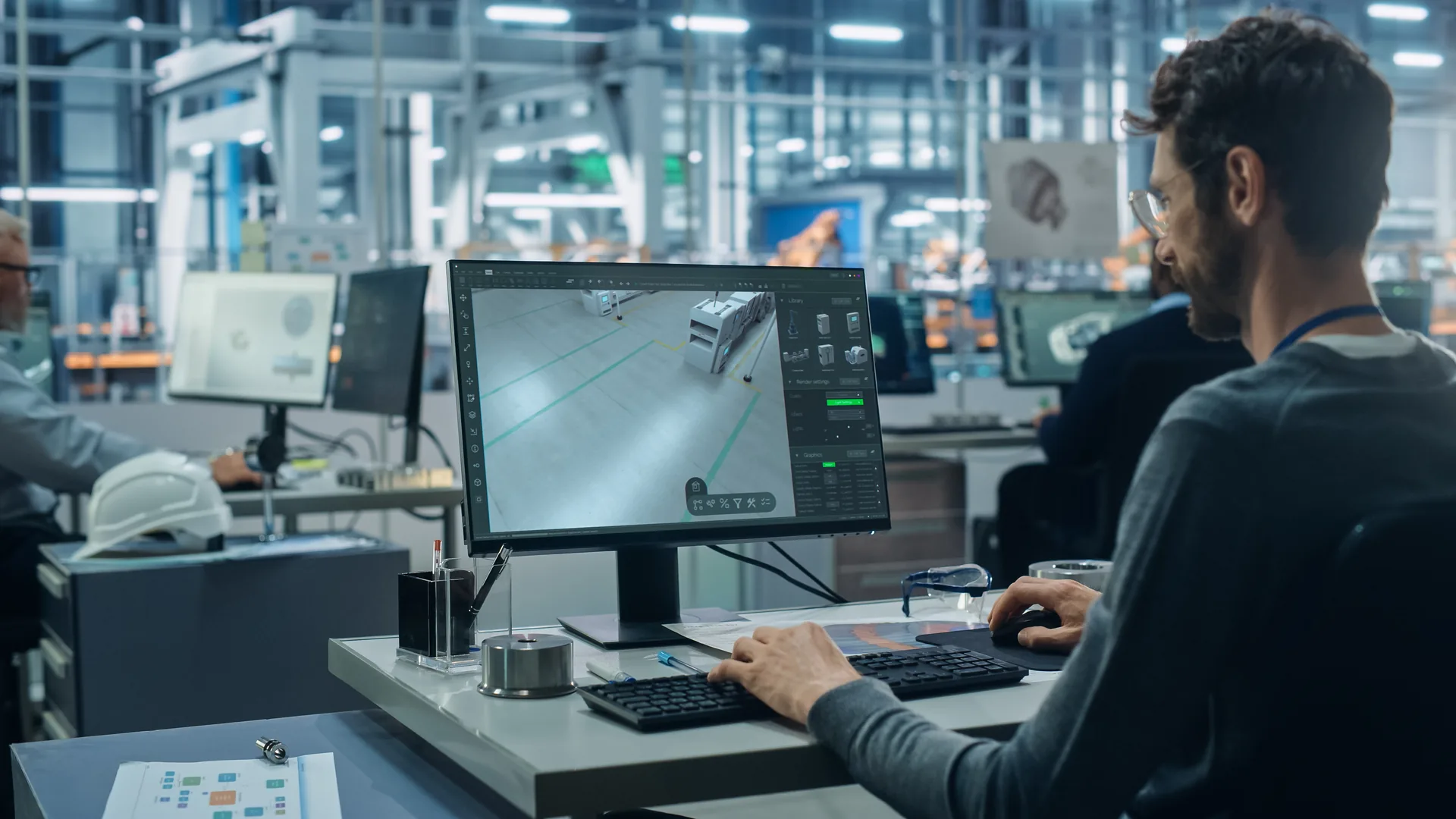
Our computer vision software development services include model selection, training, fine-tuning, validation, optimization, and evaluation against business-relevant metrics rather than accuracy in isolation.
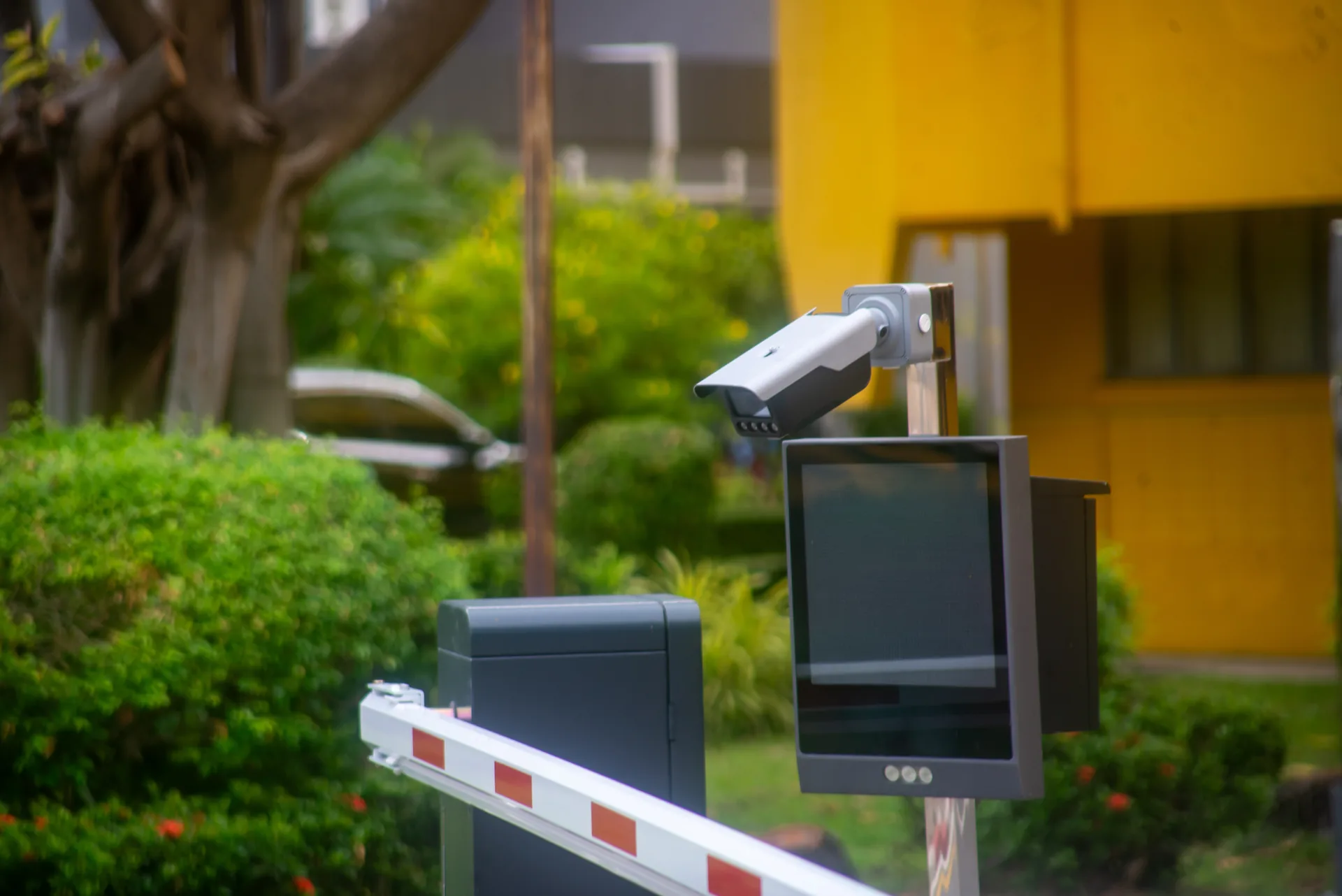
Computer vision functionality can be integrated into existing web, mobile, enterprise, industrial, or backend applications through APIs, event-driven workflows, or embedded processing. Where the vision capability forms part of a broader AI initiative, Solbeg also provides custom AI development services.
The problem
A working model is only one part of a production computer vision system
Computer vision performance depends heavily on the data used to train and validate the model. Images collected under different lighting, camera positions, resolutions, environments, or operating conditions can produce very different results. A model evaluated on a narrow dataset may therefore fail once it encounters real production variation.
The correct metric also depends on the business workflow. False positives and false negatives can have very different consequences, so generic accuracy is often not enough. Thresholds, confidence levels, precision, recall, latency, and processing cost need to be evaluated against the actual operational decision the system supports.
Production deployment adds further requirements. The model may need to run in the cloud, on a mobile device, near a camera, or directly on edge hardware. Each environment introduces constraints around compute resources, network availability, response time, privacy, and update mechanisms.
The vision model also needs to connect with the surrounding software. Recognition results may need to trigger alerts, update business systems, create records, support human review, or become part of a larger application workflow.
Solbeg's approach
Computer vision is developed as part of a complete software system
Solbeg combines AI engineering with application, data, cloud, and integration expertise. This allows computer vision and software development to be planned together rather than treating the model as an isolated technical component.
The engagement begins with the business decision the vision system needs to support. Solbeg then assesses available data, defines measurable acceptance criteria, and determines the appropriate model and deployment architecture.
Proof-of-concept work is used where technical feasibility needs to be confirmed before broader implementation. The model is tested on representative data and under conditions that reflect the expected production environment.
Once feasibility is established, the solution can continue into data pipelines, model development, application integration, infrastructure, deployment, monitoring, and iterative improvement within the same engineering context.
A computer vision service is particularly relevant when a repeatable business decision depends on information contained in images or video and manual review cannot provide the required scale, speed, or consistency.
Production teams may need to identify surface defects, missing components, incorrect assembly, packaging problems, or other visible deviations. Computer vision can support inspection by detecting defined visual conditions and routing uncertain cases for human review.
Products, assets, components, documents, vehicles, or other objects may need to be detected and categorized automatically. Recognition can reduce manual classification effort and make image-based information available to downstream systems.
Operational environments may generate more video than people can realistically review. Computer vision can detect defined events, track objects, count movement, or identify conditions that require attention.
A web or mobile application may need visual search, image classification, automated image analysis, object detection, or another vision capability as part of the user experience. A computer vision development company can develop the model together with the APIs and application components required to use it.
Factories, warehouses, logistics operations, and field environments may require cameras to inspect, classify, count, or track physical objects. Machine vision consulting helps determine camera requirements, processing architecture, model feasibility, and integration with operational systems.
A prototype may already demonstrate the concept while production performance remains inconsistent. The next phase may require broader datasets, model optimization, edge deployment, monitoring, retraining workflows, or deeper integration with business applications.
Team composition depends on the use case, data, deployment environment, and surrounding application. Our computer vision software development engagements can involve specialists across AI, data, backend engineering, infrastructure, and quality assurance.
Computer vision and ML engineers
Select and evaluate model architectures, prepare training experiments, fine-tune models, define validation metrics, optimize inference, and investigate errors. Their work covers classification, detection, segmentation, tracking, and other relevant computer vision techniques.
Data engineers
Prepare pipelines for collecting, transforming, validating, versioning, and supplying image, video, metadata, and labels for training and production inference. Where the initiative requires broader data infrastructure, Solbeg also provides data engineering and analytics solutions.
Data annotation and quality planning
Define labeling rules, class definitions, annotation formats, quality checks, and sampling strategies required to create training and validation datasets that accurately represent the production environment.
Backend engineers
Build APIs, orchestration services, event processing, storage, workflow logic, and integrations that connect model inference with the rest of the product or enterprise environment.
Infrastructure and MLOps specialists
Prepare training and inference environments, model packaging, deployment pipelines, versioning, monitoring, resource scaling, and the mechanisms required to release updated models safely.
Application engineers
Integrate vision functionality into web, mobile, desktop, or enterprise applications and implement interfaces for submitting images, displaying results, reviewing uncertain predictions, and managing downstream workflows.
QA and validation specialists
Test model behavior together with surrounding application logic, supported environments, integration paths, performance requirements, and critical edge cases.
When comparing a computer vision software development company, the important question is whether the provider can move beyond model experimentation and deliver a capability that works reliably inside a production software environment.
AI expertise is connected with software engineering
Solbeg combines AI and machine learning specialists with backend, web, mobile, cloud, DevOps, and QA engineers. This makes it possible to develop the model and the surrounding software as one system rather than handing a prototype to another team for production integration.
Data readiness is addressed alongside model development
Computer vision quality depends on representative, well-managed data. Solbeg can involve data engineers in the same engagement to prepare ingestion, transformation, labeling, validation, storage, and production pipelines required by the model.
Deployment architecture is chosen around the use case
Some models work best in cloud infrastructure, while others need to run close to cameras, on mobile devices, or on constrained edge hardware. Architecture decisions account for latency, connectivity, privacy, infrastructure cost, and update requirements.
The same team can continue after the proof of concept
If feasibility is confirmed, Solbeg can continue from experimentation into production engineering, application integration, deployment, monitoring, and further model improvement. This reduces the handoff between a prototype and the production computer vision solution.
Engineering scope can extend beyond computer vision
Vision functionality often depends on APIs, user interfaces, data platforms, integrations, and other AI components. Solbeg can cover those adjacent areas within the same engineering organization when the product requires a broader technical scope.
Both approaches can support production use cases. The appropriate choice depends on how specialized the visual task is, how much control the organization needs, and whether available third-party models perform adequately on representative data.
The engagement progresses through stages that reduce technical uncertainty before larger investments are made in model development, data preparation, and production infrastructure.
Use case and feasibility assessment
Solbeg defines the business workflow, target objects or events, available data, expected accuracy, latency requirements, deployment environment, and operational constraints.
Result: defined acceptance criteria and an initial technical approach.
Data assessment and preparation
Available images, video, labels, and metadata are reviewed for volume, quality, coverage, bias, and relevance to expected production conditions. Labeling and data-preparation requirements are defined where necessary.
Result: a training and validation data plan.
Proof of concept
Candidate models or approaches are tested on representative data to determine whether the required signal can be detected with acceptable quality.
Result: measured feasibility and evidence for whether broader development is justified.
Model development and validation
The selected approach is trained, fine-tuned, evaluated, and optimized against the agreed metrics. Error analysis is used to identify weak classes, difficult conditions, and areas where additional data may improve performance.
Result: a validated model candidate.
Software integration and deployment
Inference is integrated with the surrounding application, API, workflow, camera environment, or edge infrastructure. Deployment, versioning, observability, and scaling are configured according to the production architecture.
Result: a working production implementation.
Monitoring and improvement
Model quality, latency, processing errors, and relevant production metrics are monitored after release. New representative data can be incorporated into future evaluation or retraining cycles as the environment changes.
Result: a maintainable computer vision capability that can evolve with production conditions.
Real products our team has designed, developed, and launched together with clients, from idea to release.
Media & Entertainment/Web Development
Media portal with cinema listings, news, and interactive content
View project
Logistics & Transportation/Software Development
Telematics platform for fleet, driver, and vehicle management
View project
Healthcare/Web Development
Telemedicine platform for online consultations and patient care
View projectThe required amount depends on the task, image diversity, number of classes, expected accuracy, and whether an existing model can be fine-tuned. A narrowly defined problem may work with a relatively limited dataset, while highly variable environments or rare events can require significantly more examples. Data quality and representativeness are often more important than raw volume alone.
No. Existing labels are useful, but they are not required to begin. Solbeg can first review available image or video data, define the required annotation structure, and determine which samples need labeling for proof-of-concept and production development.
Yes. Many computer vision development services use transfer learning, fine-tuning, pre-trained models, or existing vision APIs when they provide a suitable technical starting point. Training a model entirely from scratch is only appropriate when the use case and available data justify it.
Yes, depending on model size, hardware resources, latency requirements, and expected workload. Models can be optimized for edge or mobile inference when sending every image to cloud infrastructure would introduce unacceptable latency, connectivity dependence, privacy concerns, or operating cost.
The correct metrics depend on the business consequence of each type of error. Evaluation can include precision, recall, F1 score, intersection over union, false-positive and false-negative rates, inference latency, and other task-specific measures. Acceptance thresholds are defined against the operational workflow rather than using one generic accuracy target.
The timeline depends on data readiness, labeling requirements, use-case complexity, required accuracy, deployment environment, and the amount of surrounding software integration. A feasibility proof of concept requires less scope than a production system with live video, edge inference, monitoring, and application integration.
When comparing a computer vision company, review whether it can handle data preparation, model development, software integration, deployment, and production monitoring rather than only model experimentation. For projects requiring broader computer vision software development services, it is also important to understand whether the provider has backend, infrastructure, application, and data engineering capabilities needed to operationalize the model.
End-to-end services to build, launch, and grow your digital product.