
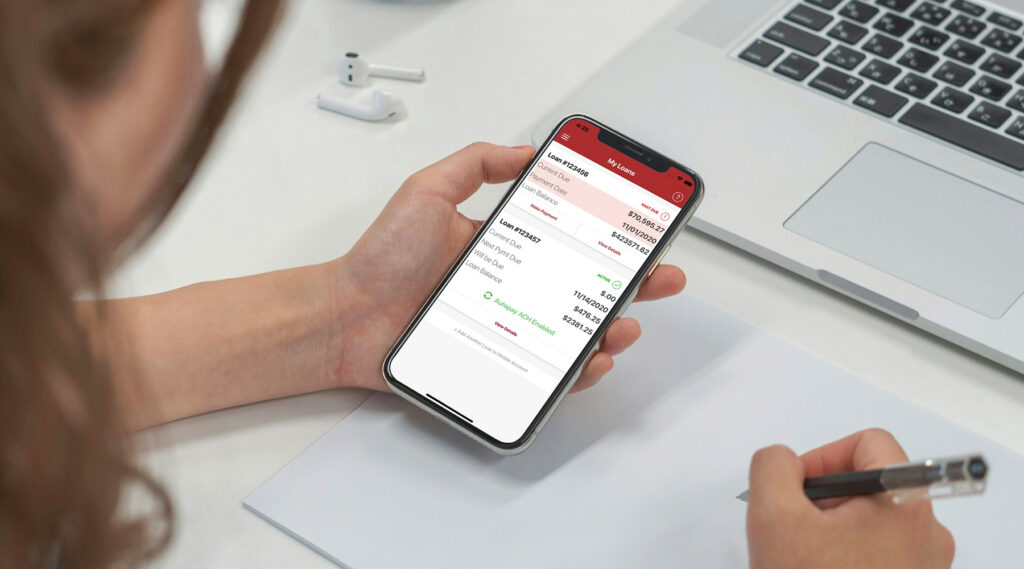
Finance & Banking/Insurance/Mobile Development/Software Development
Insurance Premium Financing Platform for Commercial Insurance Provider
Mobile and web platform for vehicle service and ownership management
View projectA company usually looks for custom mobile app development services when a planned application must connect with real business operations, yet the product definition is still incomplete. Typical difficulties appear around platform choice, ownership of requirements, release preparation, and long-term support.
The business expects coverage for iOS and Android, but the implementation model has not been validated against the required functions. Choosing too early can lead to unnecessary parallel work, restrictions in device access, or higher support effort after launch.
A feature may work correctly on one device and fail or display incorrectly on another. Differences in screen proportions, operating system versions, permissions, and hardware can turn a stable build into an inconsistent product.
User actions, validation rules, access rights, error scenarios, and data dependencies are often described only at a high level. Development then starts with unresolved assumptions that later affect scope, testing, and acceptance.
Backend and web engineers may already be available, while mobile architecture, touch-based interface design, store submission, and device-level testing remain uncovered. The project slows down when these responsibilities are added to teams without relevant capacity.
An application may contain duplicated logic, outdated components, or different implementations for each platform. Even a small feature request can then require several code changes, separate testing cycles, and additional release coordination.
A build may be ready while store data, access permissions, release materials, account ownership, and approval responsibilities are still unresolved. These operational gaps can block publication even when engineering work is complete.
The Challenge
Mobile products often combine user-facing workflows, business rules, backend integrations, data exchange, and platform-specific behavior.
When architecture is selected before these dependencies are understood, the result may include duplicated code, inconsistent releases, or technical limitations that appear only after implementation has started.
Solbeg’s approach
Solbeg first reviews how the application is expected to function, which systems it must interact with, and what level of platform-specific behavior is required.
Based on that assessment, the project can follow a native or cross-platform path. The scope may cover product analysis, interface work, engineering, compatibility verification, publication support, and maintenance.
This makes mobile application development solutions dependent on business and technical conditions rather than on a default framework choice.
Solbeg’s mobile development services can support projects at different stages, from an early product concept to an existing application that requires further development or maintenance.
The company has identified a business process or customer scenario that should be available on mobile devices. It needs the concept to be converted into requirements, interface logic, working software, tested builds, and a release package.
The same service needs to be accessible to users of iOS and Android. The project must determine which parts can be shared and which require platform-specific implementation.
The application may depend on device permissions, sensors, local storage, background behavior, or other native capabilities. In this situation, bespoke mobile app development may be required to preserve control over each platform.
The expected workflows are similar across platforms, and deep operating system integration is not central to the product. A cross-platform model may therefore reduce repeated engineering and simplify coordinated updates.
The business already has web functionality, internal software, or digital content, but the current experience is not suitable for mobile use. The task is to restructure the interaction model rather than simply reduce the desktop interface.
The product may need compatibility updates, new modules, bug correction, interface changes, or technical stabilization. These tasks fall within custom mobile app development when a full replacement is not justified.
A company may choose to assign analysis, prototyping, design, implementation, QA, store preparation, and further support to an external engineering team.

flutter
objective – c
kotlin
react native
swift
50+
СOMPLETED
PROJECTS
A mobile application development services company should be able to connect product planning, interface design, engineering, testing, and release work. Solbeg’s current service scope covers these stages for native and cross-platform applications.
Delivery begins before coding
Solbeg includes requirements gathering, analysis, and prototyping in its mobile service. This allows the team to examine workflows and technical dependencies before implementation decisions are finalized.
Design and engineering are part of the same scope
UI/UX work is included alongside development. This helps keep interface decisions consistent with platform behavior and the functional requirements of the product.
The technology choice is not limited to one framework
Solbeg lists Swift, Objective-C, Kotlin, Flutter, and React Native among its mobile technologies. This supports both platform-specific and shared-codebase approaches.
Testing is included in the published process
Quality assurance forms a separate stage of delivery. The service also refers to testing applications across multiple devices, which is important for identifying compatibility issues before publication.
The service covers release and further product work
Solbeg provides application publishing as well as development and maintenance. This supports projects that require continued technical changes after the first release.
The company reports established mobile delivery experience
Solbeg has completed more than 100 projects. This provides relevant experience for mobile application development services involving different product scopes and platform requirements.
The correct model depends on the product’s technical dependencies, the degree of difference between platforms, the expected release process, and the cost of maintaining separate implementations.
Native Applications
A native approach is relevant when the application must use operating system functions extensively, respond to platform-specific behavior, or provide separate control over the iOS and Android versions.
Cross-platform Applications
This model is useful when the main workflows are expected to remain largely the same on iOS and Android and the product does not rely heavily on functions available only through deep platform integration.
Native Applications
Business logic and interface changes may need to be implemented more than once. Separate codebases can also require individual testing, release preparation, and technical support.
Cross-platform Applications
A shared framework can create constraints when important features depend on operating system behavior, hardware access, or platform-specific interface patterns.
Native Applications
Native engineering provides direct access to platform capabilities and allows each application version to follow its own technical requirements. The trade-off is a larger workload when both operating systems are included in the project.
Cross-platform Applications
One codebase can reduce duplicate implementation and make coordinated releases easier to manage. Solbeg’s custom mobile application development services for this model may include product story definition, mobile content restructuring, interface design, business logic development, and store submission support.
Analysis
We take care of every single aspect of software product development, starting from analysis
UI/UX
Special attention at our company is given to the UI/UX aspect of every product we deliver
Development
Our development team has years of experience creating apps of all conceivable types
Testing
Compatibility with multiple devices is achieved through a rigorous QA process
Native iOS, Android, and cross-platform apps we’ve taken from first prototype to App Store and Google Play release.
Finance & Banking/Insurance/Mobile Development/Software Development
Mobile and web platform for vehicle service and ownership management
View project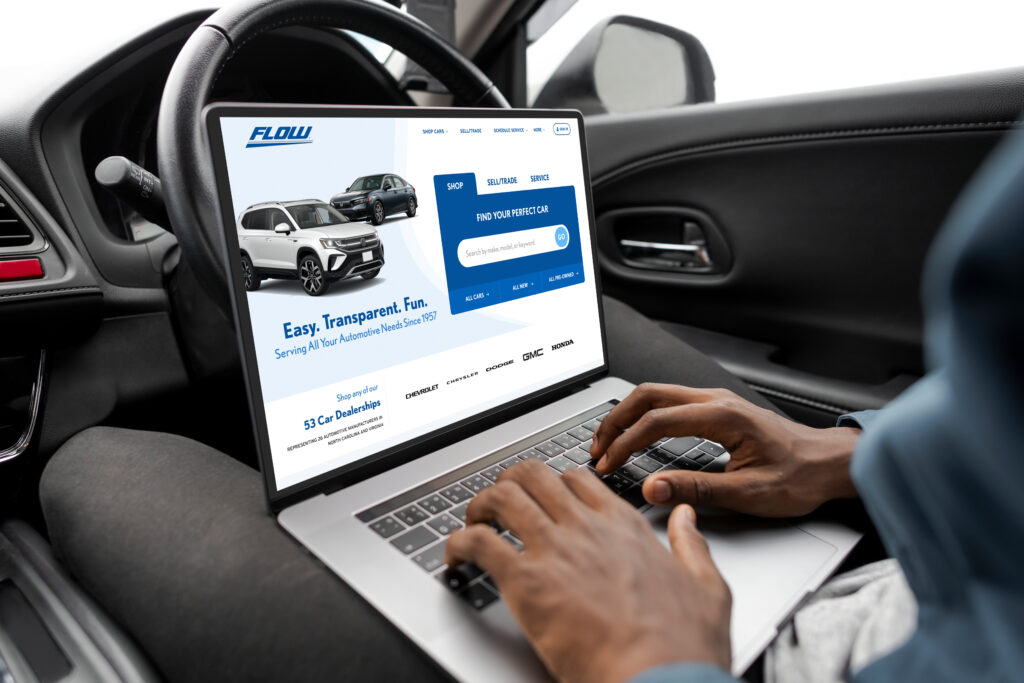
Automotive/Mobile Development/Web Development
Mobile and web platform for vehicle service and ownership management
View project
Healthcare/Mobile Development/QA
Mobile app for mental health assessment and personalized support
View projectSolbeg’s mobile application development services may cover product analysis, interface planning, software engineering, testing, release preparation, and subsequent maintenance. The exact scope depends on the condition of the product, the target platforms, and the functions that need to be implemented.
Yes. A single engagement can cover applications for both operating systems. Before development begins, the team determines whether separate native products or a shared cross-platform implementation better matches the required behavior.
The choice is based on platform coverage, application architecture, required device functions, and future support needs. Solbeg lists Swift, Kotlin, Objective-C, Flutter, and React Native among the technologies used for mobile projects.
Yes. Interface design can be included within custom mobile app development services rather than handled as an unrelated activity. This allows navigation, screen behavior, user actions, and technical logic to be defined together.
Yes. An existing product can be reviewed, maintained, corrected, or expanded. The team first needs to examine the codebase, architecture, supported operating systems, current defects, and requested changes.
Native development is usually considered when the application depends heavily on operating system capabilities, hardware functions, or platform-specific behavior. It also gives the development team more direct control over the separate iOS and Android versions.
A cross-platform mobile app development solution may be suitable when the main workflows and features are similar on iOS and Android. A shared codebase can reduce repeated implementation, although platform-dependent functions still require separate evaluation.
Yes. Publication can form part of the project scope. Store accounts, release materials, technical configurations, access rights, and approval responsibilities should be agreed before the submission stage.
End-to-end services to build, launch, and grow your digital product.