
Software Development/Telecom/Web Development
Telecom Billing Platform Optimization
Mobile and web platform for vehicle service and ownership management
View projectCompanies that contact us about cloud migration are often already working with an existing environment or migration plan. The next challenges typically involve dependencies, cost, application changes, or operational constraints.
Monthly infrastructure costs come in above expectations, but the difference is difficult to explain at workload level. Finance asks whether the migration still makes economic sense while engineering is already partway through the program. Without a workload-level baseline, it becomes difficult to distinguish temporary migration overhead from structural cost issues.
The team has a list of servers, databases, and applications but no agreed order for moving them. Every candidate for the first wave turns out to depend on another system that has not yet been assessed. Planning cycles repeat because the dependency structure has not been translated into an executable migration sequence.
Scheduled jobs, file shares, hardcoded addresses, legacy interfaces, and integrations owned by other departments may only become visible during testing. The people who originally built those connections may no longer be available. Each newly discovered dependency can affect wave planning, downtime assumptions, and the migration estimate.
Billing, operations, customer-facing services, or other critical workloads may not have a maintenance window long enough for a straightforward cutover. If the proposed migration assumes more downtime than the business can approve, the cutover design has to change. This is one of the situations where companies involve external cloud migration consulting to adapt the migration approach to operational requirements.
An engagement can cover assessment, architecture, migration, and stabilization, or focus on the part where additional engineering capacity is required. The exact scope is defined after the current environment, dependencies, and workload requirements are understood.

Review of infrastructure, applications, databases, storage, integrations, and operational constraints to determine what can move with limited change, what requires modification, and what may be better retained or retired. The output can include a dependency map and a workload-level migration disposition.

Definition of the target environment, network and identity model, connectivity, security baseline, and migration approach for each workload group. This is where cloud migration solutions are matched to individual system constraints rather than applied through one default pattern across the entire estate.
Implementation of the target account or subscription structure, networking, identity and access controls, logging, monitoring, and baseline security before production workloads arrive. Infrastructure can be defined as code so environments are reproducible and changes can be reviewed.
Migration of compute, application services, configurations, and supporting components in planned waves, including application changes required for the workload to operate correctly in the target environment.
Transfer of databases, files, and object data using the replication, validation, synchronization, and cutover methods appropriate to each system. The scope can include like-for-like database moves as well as engine or platform changes where required.

Cost review, resource right-sizing, performance tuning, monitoring refinement, and operational handover after workloads are running. Our cloud migration services can extend beyond cutover because the stabilization period is when real workload behavior, performance, and cost assumptions can be checked against production usage.
The problem
Migration decisions span multiple teams and systems
Infrastructure, applications, data, security, and the business processes running on top of them are usually owned by different groups. A workable migration sequence depends on decisions from all of them, but each team evaluates risk from a different perspective. Individual parts of the plan may therefore be approved while the dependencies between them remain unresolved.
The people who understand the existing systems best are also responsible for keeping them running. Asking the same team to document dependencies, redesign target environments, execute migration work, and continue normal product delivery creates a capacity constraint even when the required technical knowledge exists internally.
Cost and performance are also difficult to validate before representative workloads are running in the target environment. Architecture decisions made early in the program can affect later infrastructure spend, licensing, network transfer, and operating effort. Cloud migration consulting services can help validate these assumptions before later migration waves make architecture changes more expensive.
Solbeg's approach
Planning is built around dependencies, ownership, and the downtime the business can actually support
We begin by mapping dependencies across the environment rather than treating each application as an isolated migration unit. The assessment identifies which systems communicate, who owns them, what data moves between them, and which workloads need to migrate together. Migration waves are then designed around those relationships.
Solbeg engineers can take responsibility for the agreed migration scope while the client’s specialists remain involved where business knowledge, access, approvals, and system-specific decisions are required. Where internal engineering capacity is available, responsibilities and handover points are defined before execution begins.
Cost and performance assumptions are established during cloud migration strategy consulting and refined as architecture decisions are made. Resource sizing, storage tiers, transfer paths, licensing implications, and other significant cost drivers can be modeled and then validated against representative workloads during the migration.
Cutover planning begins with the downtime and risk the business can accept. Where a long interruption is not practical, replication, staged migration, synchronization, parallel operation, or other approaches can be considered depending on the workload. Rollback criteria and validation steps are agreed before the cutover begins.
External migration support becomes particularly relevant when a program involves fixed deadlines, complex dependencies, operating constraints, or application changes that require coordinated planning and engineering capacity.
A lease expiry, hardware refresh, or hosting deadline creates a migration window that cannot be extended indefinitely. Each workload needs a defined destination, dependencies need to be understood, and migration waves have to fit the remaining schedule. In this situation, a cloud migration partner can provide both the sequencing and the engineering capacity required to execute it.
Two organizations may bring separate environments, identity models, operational practices, and application dependencies. Consolidation decisions need to be made workload by workload, and some systems may require platform or architecture changes rather than a direct move.
Operating systems, databases, virtualization platforms, or other infrastructure components can reach vendor end of support on a fixed schedule. Migration may therefore need to include a version, engine, or architecture change rather than only relocation to a different hosting environment.
Contracts, audit requirements, or expansion into new jurisdictions may introduce data residency, isolation, encryption, logging, or access-control requirements. Those constraints need to be reflected in the target architecture before workloads move.
Infrastructure sized for peak demand may remain underused for much of the year, while infrastructure sized for average demand may struggle during seasonal spikes. Cloud elasticity can help in appropriate cases, but application and data architecture determine how effectively a workload can actually scale.
Some workloads are already in the cloud while others remain in the original environment, creating cross-environment dependencies and duplicated operational processes. Work then starts with assessing what has moved, what should remain, what should be completed, and whether any earlier decisions need to be revised.
Recovery time and recovery point requirements may exceed what the existing infrastructure can deliver without significant investment. Cloud infrastructure can become part of a disaster recovery design, and in some cases the same assessment leads to broader migration of the primary workload.
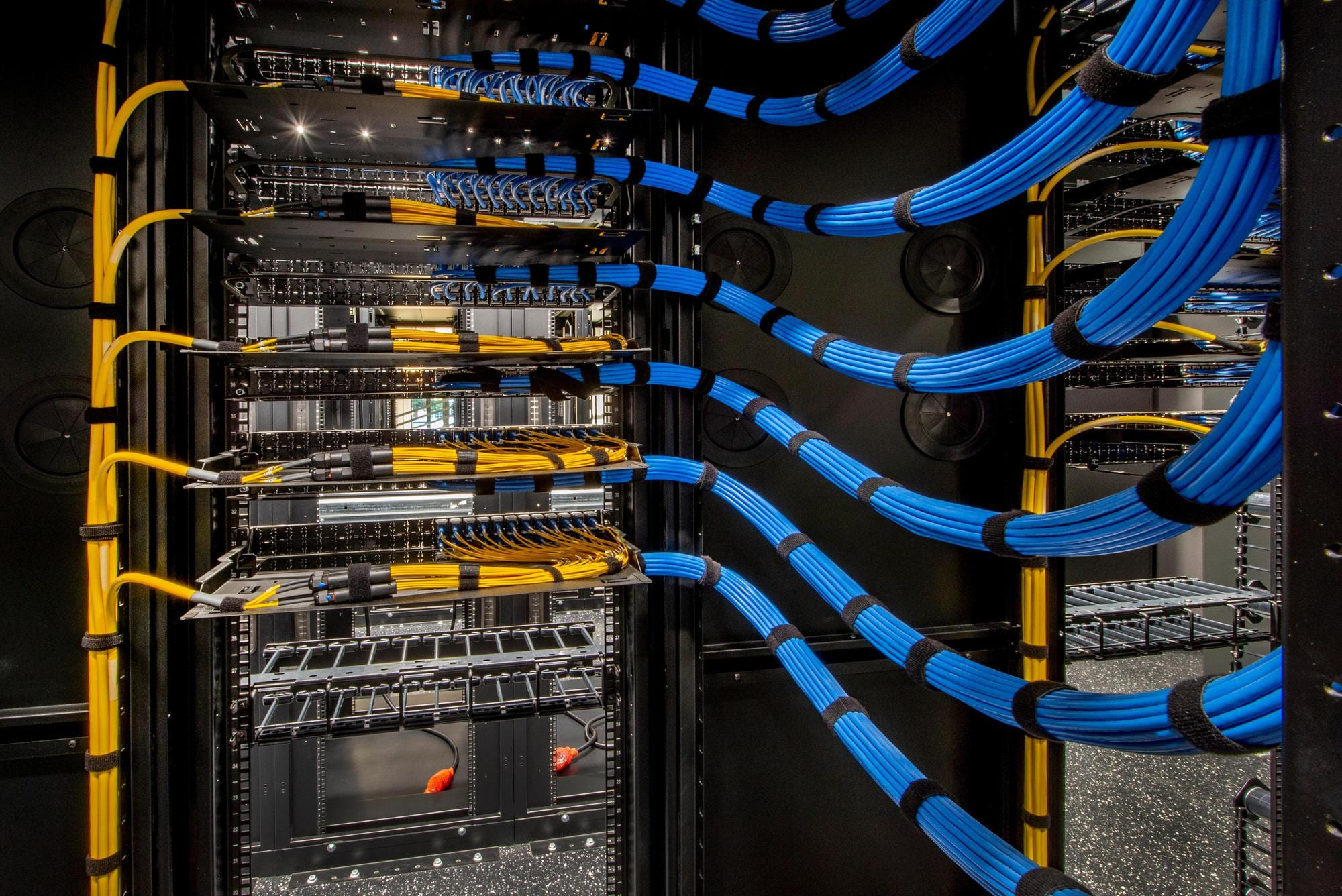
Cloud migration requires infrastructure, data, application, security, QA, and operational work to move in parallel. Team composition depends on the workloads, migration strategy, target environment, and responsibilities retained by the client’s internal team.
Discovery and assessment
Inventory of infrastructure, applications, databases, storage, and integrations, together with dependency mapping and workload disposition. The result provides the current-state view required to plan migration waves and identify major technical and operational risks.
Cloud architecture
Definition of target architecture, landing zone structure, networking, identity and access, connectivity, environment separation, and migration patterns for individual workload groups. Architecture remains connected to execution so findings from early waves can be incorporated into later decisions.
Infrastructure and platform engineering
Implementation of target environments, infrastructure as code, connectivity between existing and cloud environments during transition, monitoring foundations, and environment lifecycle automation.
Database and data migration
Data transfer, replication, validation, synchronization, and cutover for databases and storage. The scope can include migrations between different database engines where the target design requires changes to queries, procedures, data types, or operational behavior.
Application engineering
Changes needed for applications to operate correctly in the target environment, such as configuration externalization, session handling, file storage, connection management, and removal of assumptions tied to individual hosts or legacy infrastructure.
CI/CD and automation
Updates to build and deployment pipelines so workloads can be released into the target environment, together with monitoring, logging, and alerting required for production operation.
Security and compliance
Access controls, network segmentation, secrets management, encryption, logging, and other controls required by the agreed security model. Security requirements are incorporated into the target environment instead of being treated only as a final review.
Migration testing and validation
Functional, integration, performance, and migration-specific testing against agreed acceptance criteria, including rehearsal of cutover and rollback where required. For companies evaluating a cloud migration service provider, Solbeg can include migration validation as a dedicated workstream rather than relying only on infrastructure-level checks.
Post-migration support
Stabilization, cost review, right-sizing, performance tuning, operational documentation, and handover after production cutover. Cloud migration professional services can cover this period so outstanding performance and operational issues are resolved before the migration is considered complete.
A migration is ultimately judged by whether workloads operate correctly after cutover, how predictable the target environment is to run, and how much disruption the transition creates for the business.
The people who plan the migration can stay involved through execution
Assessment, architecture, migration planning, and implementation can remain within the same engineering organization. This reduces the amount of context that has to be transferred between an advisory team and a separate delivery team once migration begins.
Infrastructure, data, and application work can be coordinated within one team
Migration dependencies often cross these technical boundaries. Working with one cloud migration services company allows database changes, application changes, infrastructure changes, deployment work, and testing to be coordinated through one delivery plan rather than through separate supplier roadmaps.
Application engineering is part of the migration capability
Solbeg’s broader software engineering practice allows migration work to continue beyond the infrastructure layer when an application needs changes to operate correctly in the target environment. This can be relevant when comparing cloud migration firms that differ in how far their scope extends into application code.
Cost is considered as part of target architecture
Resource sizing, storage, licensing, data transfer, managed-service choices, and expected utilization can be evaluated before migration waves are committed. Cloud migration advisory services can also identify workloads where the expected benefit of migration does not justify the required changes or operating cost.
Continuity is available after go-live
The engineers familiar with the migration can remain involved during stabilization, when production workload behavior, cost, and operational gaps become visible. Solbeg can continue with optimization, platform development, and ongoing support under the agreed engagement model, while documentation and operating procedures keep the environment clear for the client’s internal team.
Migration strategy is normally selected per workload rather than once for the entire estate. Some systems can move with limited changes, while others need architectural work to meet the intended scalability, availability, cost, or operational goals.
A migration engagement begins with discovery and planning and continues through production stabilization. The scope of later stages can be refined as dependencies and workload behavior become better understood during assessment and pilot work.
Discovery and assessment
We inventory infrastructure, applications, data stores, and integrations and map the dependencies between them. Your infrastructure, application, security, and other relevant owners participate in working sessions to confirm technical findings. The result is a documented current state, workload-level disposition, and identified migration risks.
Target architecture and migration plan
Cloud architects define the target environment, migration approach for each workload group, and the wave sequence, together with relevant cost, performance, security, and availability requirements. This planning stage is an important part of how cloud migration consulting companies differ because migration sequencing can significantly affect later rework and risk.
Landing zone build and pilot migration
The target environment is implemented with the required networking, identity, security, monitoring, and automation foundations. Where appropriate, a representative workload is migrated or tested first to validate architecture assumptions, tooling, cutover procedures, and cost expectations before larger migration waves begin.
Wave migration and cutover
Workloads move according to the agreed sequence, with validation, cutover conditions, and rollback criteria defined for each wave. Dependencies between workloads already migrated and those still running in the original environment are managed during the transition.
Stabilization and optimization
Production performance, infrastructure consumption, monitoring, and operational procedures are reviewed against the expectations established during design. Resources can be right-sized, outstanding issues resolved, and documentation finalized as the environment moves into the agreed operating model, including ongoing Solbeg support where required.
A few examples of digital products we’ve built for our clients and the results they brought to their business.
Software Development/Telecom/Web Development
Mobile and web platform for vehicle service and ownership management
View project
Finance & Banking/Software Development
Payment platform for processing transactions and connecting financial institutions
View project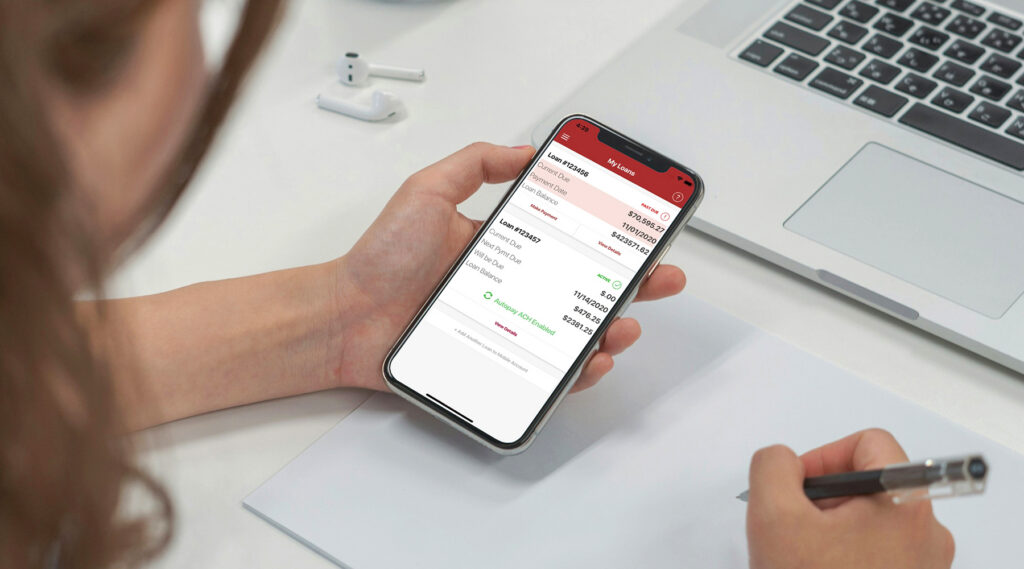
Finance & Banking/Insurance/Mobile Development/Software Development
Mobile and web platform for vehicle service and ownership management
View projectReplication, parallel operation, staged cutover, and similar techniques can reduce or, in some cases, eliminate user-visible downtime during migration. The appropriate approach depends on the workload’s architecture, consistency requirements, external dependencies, and operational constraints. Expected downtime and the cutover method are defined during assessment and migration design.
No. Migration assessment can result in different decisions for different workloads, including migration, modernization, retention, replacement, or retirement. Licensing, latency, technical dependencies, compliance requirements, operating cost, and remaining application lifecycle can all affect whether moving a particular system is justified.
Resource sizing, storage, transfer, licensing, managed services, and expected utilization can be modeled during architecture design using available workload data. These estimates can then be checked against pilot or early migration workloads. When evaluating a cloud migration company, it is important that the assumptions behind the estimate remain visible because actual production cost depends on workload behavior and architecture after migration.
We need access to the relevant systems and available documentation, together with participation from the people who understand applications, infrastructure, security requirements, operational dependencies, and business-critical constraints. Internal involvement is usually highest during discovery, architecture review, validation, and cutover decisions.
Yes. Work can begin with an assessment of what has already moved, the condition of the target environment, unresolved dependencies, cost and operational issues, and the workloads that remain. The remaining migration sequence can then be revised based on the current state rather than automatically continuing the previous plan.
Look at whether the proposed scope covers only infrastructure or also includes application, data, security, validation, and stabilization work. When comparing cloud migration services companies, it is also useful to understand how cost assumptions are established, how cutover and rollback are planned, which responsibilities remain with your team, and what support exists between go-live and steady-state operation.
The target environment moves into stabilization and normal operation. Documentation, monitoring, runbooks, access procedures, and unresolved follow-up work are maintained as part of the agreed operating model. Solbeg can remain involved during stabilization and continue with optimization, platform development, and ongoing support as the environment evolves.
End-to-end services to build, launch, and grow your digital product.