
Testing & QA
Pain Points
Quality Risks That Complicate Software Delivery
Companies usually seek software testing and QA services when defects are reaching late development stages, releases require excessive verification effort, or the existing QA function cannot provide reliable information about product quality.
Functional problems may remain unnoticed until the product is already prepared for deployment. Late detection increases the amount of rework and can affect other features that depend on the corrected component.
Business rules, expected system behavior, and acceptance conditions may be incomplete or distributed across several documents. Test results become difficult to interpret when teams do not share the same definition of correct behavior.
Each release introduces changes that may affect previously completed functions. When regression coverage depends mainly on repeated manual checks, verification can consume a substantial part of the release cycle.
A mobile application may respond differently depending on the device, operating system, screen configuration, or supported environment. These variations create risks that cannot be identified through testing on a single configuration.
A system can function correctly during ordinary checks but behave differently under increased usage. Without focused performance testing, teams may lack evidence about how the application responds under expected operating conditions.
Testing may be performed without consolidated statistics on defects, coverage, or release quality. This limits management’s ability to understand the current product condition and identify recurring problem areas.
A company may need a separate QA team to review software produced internally or delivered by another vendor. Without independent assessment, acceptance can depend too heavily on the original implementation team.
Challenge & Solution
Establishing Quality Control Across the Delivery Cycle
The Challenge
Testing performed only before release provides limited visibility into defects introduced during analysis, implementation, and integration.
When QA is disconnected from development, issues may be reported without sufficient context, recurring risks may not be tracked, and release decisions may rely on incomplete information.
Solbeg’s approach
Solbeg treats quality assurance as part of the software development process rather than as a final isolated check.
Its software testing & QA services combine manual and automated testing, monitoring of QA activities, collection of detailed statistics, and verification of development phases and releases.
The scope can cover mobile applications and other software products, with functional and performance testing carried out through manual and automated approaches.
When the Service Is Suitable
When External Testing and QA Expertise Is Required
Solbeg’s QA capabilities can be used for products under active development, existing applications, and systems created by another software vendor.
The development team needs structured verification of application behavior before the next version is delivered to users.
Software is being developed internally or by another vendor, but the client requires a separate team to evaluate product quality without relying only on the original developers.
A company already performs testing but lacks consistent QA monitoring, consolidated statistics, or clear visibility into release quality. In this case, QA consulting can focus on the current approach and its coverage.
The product must be checked on designated devices and operating systems. The purpose is to identify behavior that differs between supported mobile environments.
Frequently verified functions create a significant manual workload. Automated testing may be introduced for scenarios that need to be executed repeatedly.
The software must be assessed beyond functional correctness. Performance testing is relevant when the team needs information about application behavior under defined operating conditions.
A company needs a separate review of a software system delivered by another provider. As part of its full range of QA services, Solbeg can conduct an independent security audit to identify potential vulnerabilities and security risks.

Scope of work
Testing and Quality Assurance Capabilities
The confirmed Testing & QA scope includes functional, mobile, performance, automated, and manual testing, together with QA monitoring and independent assessment.
Functional Testing
The application is checked against its expected functions and user scenarios. This work is intended to identify incorrect behavior, missing outcomes, and inconsistencies in implemented business logic.
Mobile Testing
Product behavior is verified across designated mobile devices and operating systems. Testing accounts for differences that can affect application usability and function in supported environments.
Performance Testing
The system is evaluated under defined operating conditions to identify behavior that may not appear during ordinary functional checks.
Automated Testing
Repeatable checks are implemented for scenarios that need to be executed regularly. Automation can support recurring verification during development and release preparation.
Manual Testing
QA specialists examine application behavior through direct interaction with the product. Manual checks remain relevant for scenarios that depend on human judgment or are not practical to automate.
Independent Security Audit
Solbeg can independently review a software system developed by another vendor, helping identify potential security risks and areas for improvement. The specific assessment scope and methods are defined based on the system and project requirements.
QA Activity Monitoring
Solbeg uses practices intended to track QA work throughout development, gather detailed statistics, and evaluate the quality of development phases and releases.
expertise:
aUTOMATED TESTING
Mobile Testing
pERFOMANCE tESTING
fUNCTIONAL tESTING
300+
СOMPLETED
PROJECTS
Why Solbeg
Why Companies Involve Solbeg in Software Quality Assurance
Solbeg can participate as part of a broader software delivery engagement or provide a dedicated QA team for consulting and independent product assessment.
QA is connected with development
Quality assurance is incorporated into the software development process. This allows testing activities to address product changes throughout delivery instead of beginning only when implementation is complete.
Manual and automated methods are combined
Solbeg does not limit testing to one execution method. Manual checks and automation can be applied according to the type of application behavior being verified.
Several testing areas are covered
The service includes mobile, functional, performance, and automated testing. Businesses can address different quality risks without treating each area as an unrelated engagement.
An independent QA team can be engaged
Solbeg can provide a dedicated QA team in a consulting role. This is relevant for companies evaluating a QA consulting company to supplement or review an existing quality function.
Third-party software can be assessed
Solbeg can perform an independent security audit of software developed by another vendor, helping businesses identify potential risks and areas for improvement.
QA activities are monitored
Solbeg reports using practices for tracking testing work and collecting detailed statistics. This provides a factual basis for evaluating development phases and releases.
Relevant project experience
Solbeg has completed more than 300 projects, demonstrating broad experience across software development, testing, and quality assurance.
Comparison
Manual and Automated Software Testing
Solbeg combines manual and automated methods to address different aspects of application quality. The appropriate balance depends on the scenarios being checked and how frequently those checks must be repeated.
Manual Testing
Manual testing is applicable when product behavior requires direct human evaluation, exploratory investigation, or verification of scenarios that change frequently.
Automated Testing
Automated testing is appropriate for stable scenarios that must be verified repeatedly across development cycles and releases.
Manual Testing
Repeated execution requires continued specialist involvement. Large regression sets can become difficult to complete consistently when every check is performed manually.
Automated Testing
Automated checks require implementation and maintenance. They may need revision when application behavior, interfaces, or test conditions change.
Manual Testing
Manual work supports investigation of unfamiliar behavior and scenarios that are impractical to automate. Its effort grows as the number of repeated checks increases.
Automated Testing
Automation can reduce repeated execution effort and provide consistent results for covered scenarios. It does not eliminate the need for manual evaluation of other product risks.
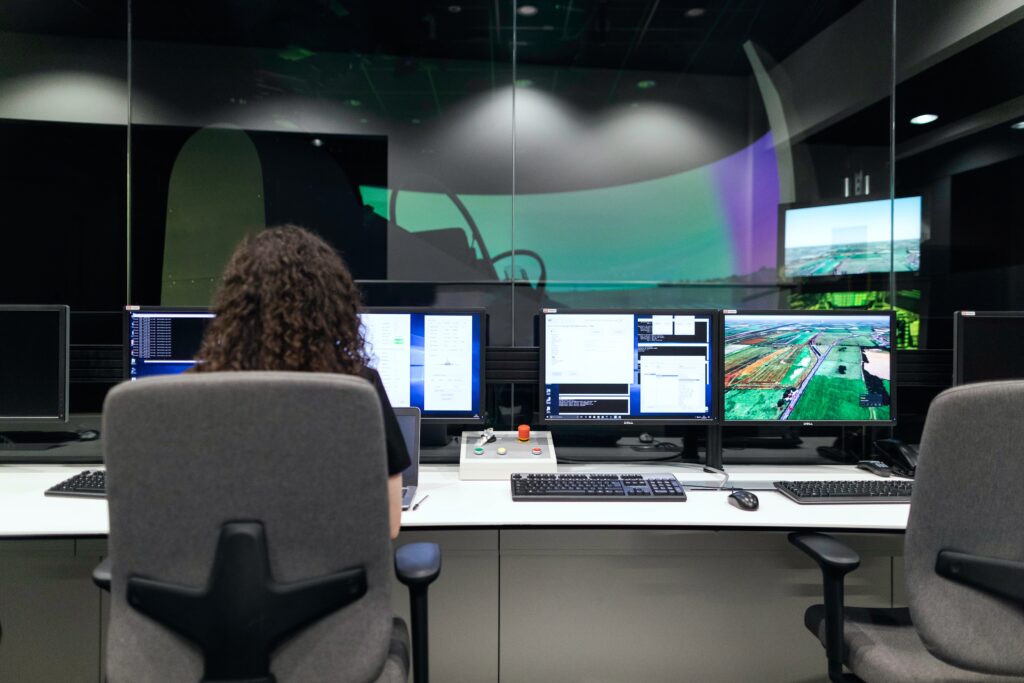
Quality assurance is an intrinsic part of the software development process.
Solbeg is a leading provider of end-to-end software development services that include software system testing and quality assurance of various types: Mobile Testing, Automated Testing, Functional Testing, Perfomance Testing. Our QA expertise complements our custom software development capabilities, helping ensure that new solutions meet functional, performance and reliability requirements from the earliest development stages.
Our involvement in your project may be limited to a dedicated QA team acting as a consultancy service or performing an independent security audit of a software system delivered by another vendor.
To ensure the completeness of the process, we have developed a set of practices aimed at monitoring QA activities at every stage, collecting detailed statistics and ensuring the quality of every development phase and release. We use a combination of manual and automated testing to address the most essential aspects of every application and guarantee its full usability on all designated devices and operating systems. After release, our software maintenance and support services help preserve application stability, resolve emerging issues and keep the system aligned with changing business and technical requirements.
FAQ
Software Testing and QA FAQ
Solbeg provides functional, mobile, performance, automated, and manual testing. Its software testing and QA services can also include QA activity monitoring and independent assessment of software delivered by another vendor.
Yes. Solbeg can provide a dedicated QA team to support the project in a consulting or delivery capacity. The team’s responsibilities and integration model are defined based on the specific project needs.
Yes. Solbeg can test software developed by another company and provide independent QA expertise across functional, performance, security, and other relevant quality areas. The exact testing scope, required access, and integration model are defined based on the product and project requirements.
Yes. Solbeg uses both approaches within its software testing & QA services. The selected balance depends on the application, the scenarios being verified, and the need for repeated execution.
Yes. Mobile testing is listed among Solbeg’s QA capabilities. Testing can address application behavior on designated devices and operating systems.
Solbeg states that it uses practices for monitoring QA activities and gathering detailed statistics. The specific metrics, reporting format, and reporting frequency are not provided on the current page.
Yes. A dedicated team can participate as a consultancy service without taking responsibility for the entire software development scope. The exact format of software QA consulting should be defined according to the product and the existing delivery organization.