
Understanding software development outsourcing: Myths vs. Reality
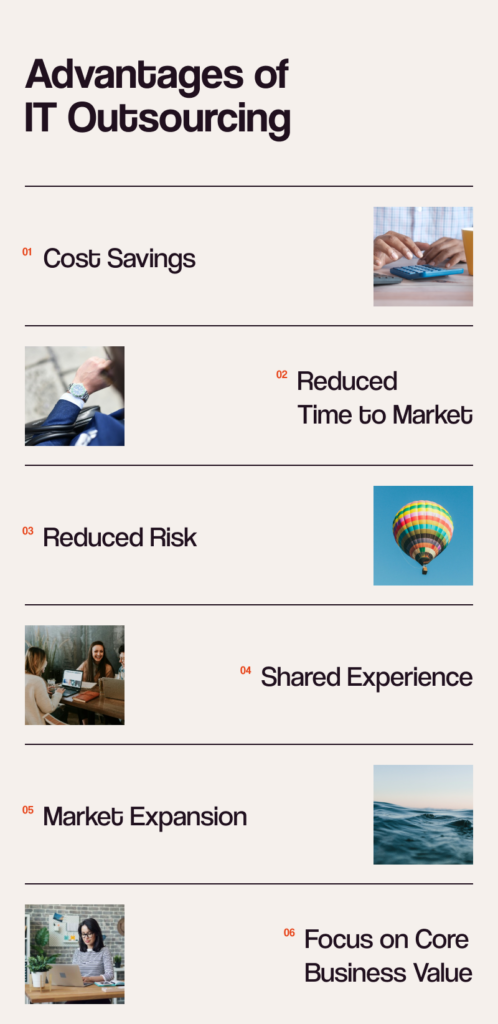
In modern business, software development outsourcing has long become an important tool for optimizing costs and improving the efficiency of companies. However, despite its popularity, there are many myths surrounding outsourcing that can mislead managers. In this article, we’ll dispel common myths, review the real advantages of software development outsourcing, and provide guidance on how to implement it.
Myth 1: outsourcing reduces the quality of IT services
Reality: The quality of IT services in outsourcing depends on the choice of the service provider. Many outsourcing companies have high expertise, advanced technologies, and quality control of the service provided, which allows them to provide high-quality solutions. The key is selecting the right partner and clearly defining expectations. It is also important to consider the vendor’s service quality control system.
Myth 2: outsourcing threatens data security
Reality: Data security is a significant aspect of outsourcing. Reputable outsourcing companies implement modern protective measures and adhere to international security standards, such as ISO 27001.
Myth 3: outsourcing is inflexible
Reality: Outsourcing can be highly adaptable and flexible with well-established processes and suitable partners. Many outsourcing companies offer customized collaboration models that allow clients to quickly respond to market changes and needs. Outsourcing provides the ability to scale services based on current business requirements, whether it’s seasonal fluctuations or sudden demand shifts. Properly organized outsourcing offers companies high flexibility, enabling them to adapt to changes and ensure sustainable growth and development.
Myth 4: outsourcing fails to provide proper communication and reporting
Reality: Effective communication and reporting depend on the organization of interactions with the outsourcing partner. Regular meetings, modern communication tools, and clear reporting standards ensure transparency and timely updates on progress. Well-defined KPIs and SLAs help manage processes and results. A professional vendor will proactively suggest practices tailored to your specific business needs, further enhancing successful collaboration.
Myth 5: outsourcing is only suitable for large companies
Reality: Software development outsourcing is suitable for companies of any size. Small and medium-sized enterprises can leverage outsourcing to access advanced technologies and expertise, allowing them to compete with larger market players. For smaller companies, outsourcing can be a key factor in growth and development.
Myth 6: distributed teams inevitably face conflicts due to remote work and lack of face-to-face interaction
Reality: While distributed teams may encounter challenges such as time zone differences and cultural diversity, these issues do not necessarily lead to conflicts. Effective management and the right tools can help minimize problems and even turn them into advantages. Modern communication and project management tools, like Slack and Jira, support synchronization and organization. Additionally, there are HR practices that focus on building cohesion within distributed teams.
Guide to implementing software development outsourcing
- Define needs and goals: clearly identify which it functions you want to outsource and what outcomes you aim to achieve. Consider goals such as cost reduction, increased efficiency, or improved it service quality.
- Conduct market research: explore the outsourcing service market and list potential partners. Consider their reputation, experience, and relevant certifications.
- Request proposals and negotiate: approach selected companies with a request for proposals and organize negotiations. Ensure that partners understand your needs and are ready to offer solutions that meet your requirements. Be sure to provide honest feedback, express your concerns and questions. This will contribute to a truly effective and stable partnership in the future.
- Finalize contracts and set up processes: sign a contract with the chosen partner, including all agreed-upon terms. Collaboratively set up processes for interaction, communication, and reporting to ensure transparency and control, or entrust this to the chosen vendor.
- Monitor and adapt: regularly check the performance of outsourced services and assess their alignment with your expectations. Be prepared to make changes and adapt as needed.
Conclusion
Software development outsourcing is a powerful tool for optimizing business processes and reducing costs. However, it is essential to approach it wisely by carefully selecting partners and clearly defining collaboration terms. Dispelling myths and understanding the real benefits and drawbacks will help companies make informed decisions and successfully implement software development outsourcing into their operations.