
Hidden Nature, Shared Impact: Solbeg Team Joins a Plogging Initiative in Las Natoliński
Some places remain hidden even in the middle of a busy city. This spring, the Solbeg team had a chance to discover one of them — the protected forest reserve of Las Natoliński. Usually closed to the public and accessible only to organized groups, the reserve has been protected since 1991. Since 2011, it has also been part of the European Natura 2000 network — a system created to preserve the most valuable natural areas across Europe.
Thanks to a guide who obtained special access for our group, we were able to spend a day in a place many Warsaw residents have never seen. But this was more than just a walk through the forest. It became another reminder that even small collective actions can create a meaningful impact. Our team participated in a plogging initiative — combining walking with collecting litter left behind in natural areas.
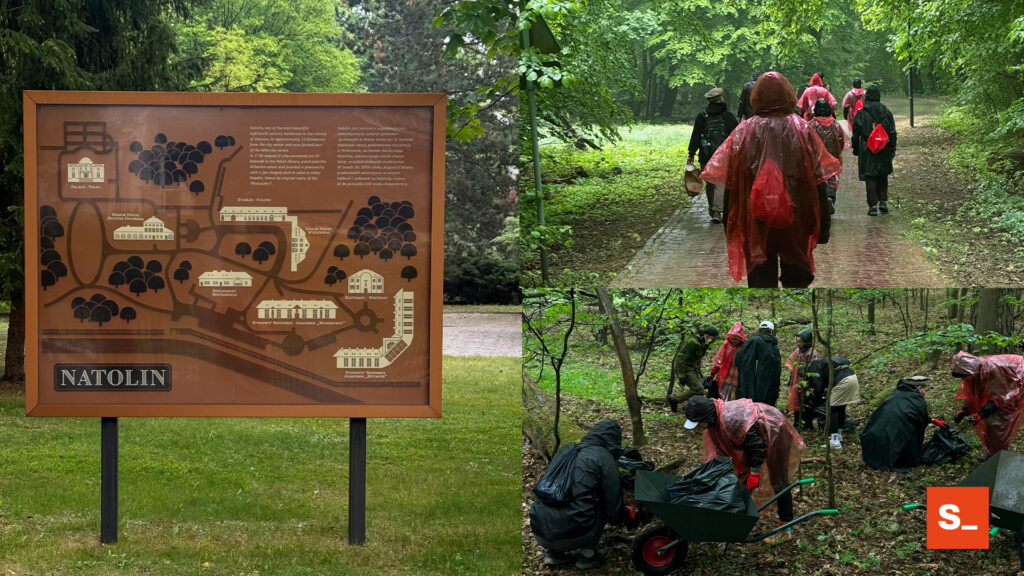
By the end of the day, we had collected 14 bags of waste throughout the forest. What made the experience particularly striking was the contrast between the protected status of the reserve and the reality of what still ends up there. Even places recognized as environmentally significant are not immune to human impact. One of the most unexpected discoveries became a symbol of that reality: a bottle of sunflower oil dated 1977. Nearly 50 years later, it was still there. Moments like this put environmental responsibility into perspective. A single piece of waste can remain in nature for decades, long after the moment it was discarded has been forgotten.
Hiking through the reserve felt like stepping into a completely different environment: slower, quieter, and far removed from everyday routines, deadlines, and screens. For a team working in software development and digital products, this contrast was especially valuable. At Solbeg, we often talk about responsibility in the context of technology — building reliable systems, developing scalable solutions, and helping businesses create long-term value. But responsibility is not limited to digital environments. Initiatives like this remind us that sustainable thinking also exists outside of projects and software delivery. It appears in everyday decisions, shared experiences, and the willingness to contribute to the communities and environments around us.
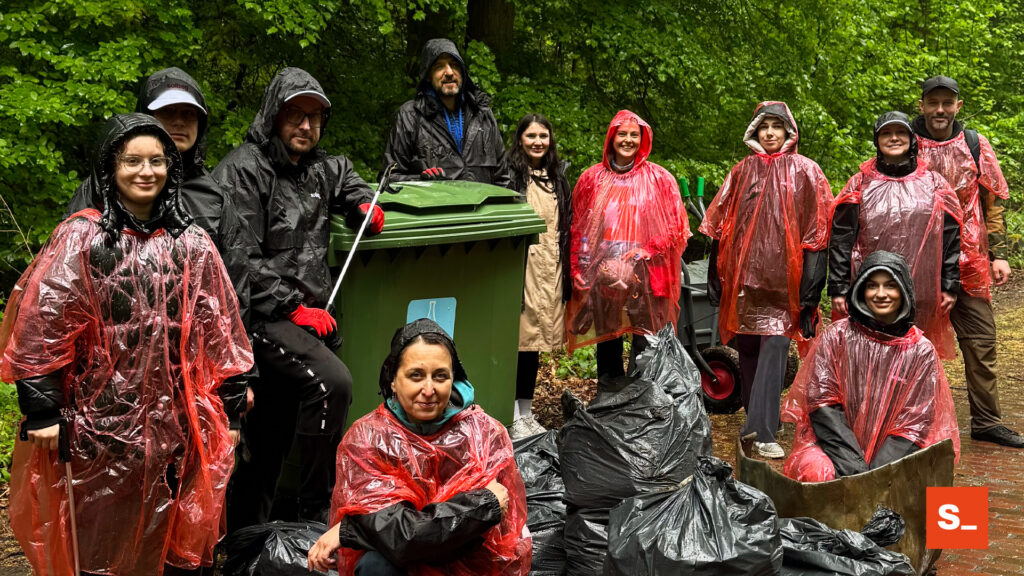
For our team, this day was not about achieving perfection or solving environmental problems overnight. It was about contributing where we could, learning more about the spaces around us, and leaving at least one place a little cleaner than we found it. And perhaps that is exactly where meaningful impact begins.
Interested in building technology with people who care about impact? Let’s connect.